A good night's sleep is essential for being at your best, both physically and mentally. Yet, many of us overlook the fundamental elements that contribute to truly restorative sleep. The secret? Creating an environment that is well-designed, optimized, and, above all, comfortable. Here are 7 practical tips to help turn your bedroom into a restful haven.
Find the Perfect Mattress for Your Comfort
A quality mattress is one of the pillars of good sleep. If yours shows signs of wear, like sagging or bumps, it might be time to replace it. Additionally, if your mattress is more than 10 years old, consider shopping for a new one.
Memory Foam: Conforms to your body shape, relieving pressure points and regulating temperature. Perfect for those seeking personalized support.
Pocket Springs: Ideal for support and motion isolation, especially if you share the bed.
Latex Foam: Naturally breathable and durable, great for those who appreciate natural materials.
Consider your needs—do you sleep on your back, side, or stomach? Do you prefer a firm or soft surface? These are important questions to ask before buying your next mattress.
Choose the Right Pillow
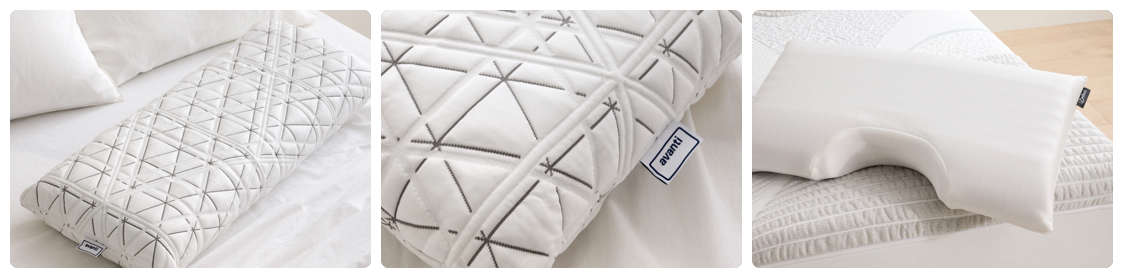
Pillows, often underestimated, play a crucial role in supporting your sleep posture. Think of them as the "mattress for your head." Here are a few options to consider:
Memory Foam: Offers ergonomic support by adjusting to the shape of your head.
Natural Fibers Like Down or Latex: Soft, breathable, and great for those who prefer natural materials.
Select a pillow that provides comfort and matches your sleep habits. Whether you're a side or back sleeper, each position requires specific support.
Your bedding can have a significant impact on your nightly comfort. Natural materials like cotton, linen, and bamboo are popular choices. They’re soft, temperature-regulating, and long-lasting. Additionally, use a quality mattress protector to prolong the lifespan of your bed.
A well-organized bedroom can make all the difference. Prioritize a calming atmosphere with soothing tones such as off-whites or pastels. Minimize visible clutter! Storage furniture like wardrobes, closetorganizers, dressers, and bedswithbuilt-instorage are great options. Decluttering your space also clears your mind before sleep.
Consider Adjustable Bed Bases
Adjustablebed bases are no longer just for seniors. These modern beds adapt to your needs, whether you're reading, watching a movie, or sleeping in a specific position. Some models even offer advanced settings, like zero-gravity or anti-snore functions, to maximize your comfort.
Control Light Exposure
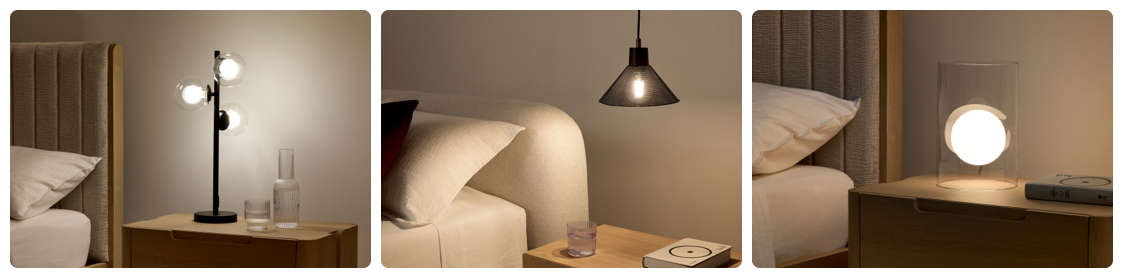
Darkness promotes better sleep quality. Invest in blackout curtains to eliminate any external light. For ambient lighting, choose soft, dim options to create a more relaxing vibe.
Maintain the Ideal Temperature
Your bedroom's temperature significantly affects your sleep quality. Ideally, aim for a slightly cool room, between 65 and 68 °F (18–20 °C). Adjust your bedding depending on the season, and select temperature-regulating materials to avoid being too hot or too cold at night.
Create Your Own Sleep Routine
Combining these tips sets the foundation for restorative sleep and lasting well-being.






 Find the Perfect Mattress for Your Comfort
  Choose the Right Pillow
  Invest in High-Quality Bedding
  Control Light Exposure


